
AUTO EXPORTER | VEHICLE KNOWLEDGE
FWD vs RWD vs AWD vs 4WD:Understanding Different Car Drivetrain Systems
Not all vehicles deliver power to the road in the same way. Understanding the differences between front-wheel drive, rear-wheel drive, all-wheel drive and four-wheel drive can help buyers choose the right vehicles for different driving conditions and markets.
Why Does the Drive Type Matter?
When comparing vehicles, buyers often focus on engine power, fuel consumption, range, and exterior design. However, the drivetrain is another important factor that directly affects vehicle handling, traction, efficiency, and driving performance.
Different drivetrain systems are designed for different purposes. A front-wheel-drive sedan may be suitable for everyday urban transportation, while a four-wheel-drive pickup may be more appropriate for demanding off-road conditions. This guide explains how each system works and what buyers should consider when selecting vehicles for their markets.
In This Article
01. What Is a Vehicle Drivetrain?
A drivetrain is the system that transfers power from the engine or electric motor to the wheels. Depending on the vehicle's design, power may be delivered to the front wheels, rear wheels, or all four wheels.
FWD
Front wheels receive the driving power.
RWD
Rear wheels receive the driving power.
AWD
Power can be distributed to all four wheels automatically or according to system design.
4WD
A four-wheel-drive system often designed for demanding terrain and controlled power distribution.
DRIVETRAIN TYPE 01
Front-Wheel Drive (FWD)
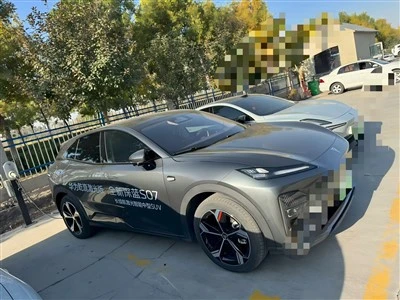
In a front-wheel-drive vehicle, the engine or motor sends power to the front wheels. The front wheels are responsible for both steering and driving the vehicle. FWD is widely used in compact cars, family sedans, and many urban SUVs.
Key Advantages
• Generally simpler drivetrain construction.
• Efficient use of interior and cargo space.
• Often offers good fuel efficiency.
• Front-engine layout can provide useful traction in ordinary driving conditions.
• Efficient use of interior and cargo space.
• Often offers good fuel efficiency.
• Front-engine layout can provide useful traction in ordinary driving conditions.
Potential Limitations
• Front tires handle both steering and driving forces.
• High-power vehicles may experience torque steer.
• Under aggressive cornering, some vehicles may experience understeer.
• High-power vehicles may experience torque steer.
• Under aggressive cornering, some vehicles may experience understeer.
Common Applications: Compact sedans, family cars, hatchbacks, and urban SUVs.
DRIVETRAIN TYPE 02
Rear-Wheel Drive (RWD)
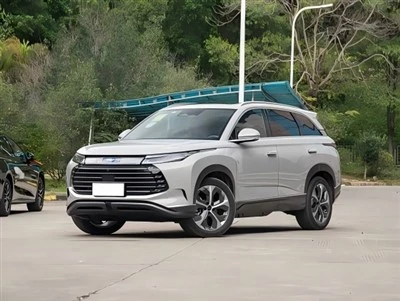
In a rear-wheel-drive vehicle, power is delivered to the rear wheels, while the front wheels primarily handle steering. This layout is commonly found in luxury sedans, sports cars, pickups, and certain commercial vehicles.
Key Advantages
• Separates steering and driving functions.
• Can provide balanced handling in suitable vehicle designs.
• Suitable for vehicles requiring strong acceleration or towing capability.
• Often preferred in performance-oriented vehicle designs.
• Can provide balanced handling in suitable vehicle designs.
• Suitable for vehicles requiring strong acceleration or towing capability.
• Often preferred in performance-oriented vehicle designs.
Potential Limitations
• Rear-wheel traction can be reduced on slippery surfaces.
• Some layouts require additional drivetrain components.
• Driving behavior may require more attention in wet or icy conditions.
• Some layouts require additional drivetrain components.
• Driving behavior may require more attention in wet or icy conditions.
Common Applications: Luxury sedans, sports cars, pickup trucks, and selected commercial vehicles.
DRIVETRAIN TYPE 03
All-Wheel Drive (AWD)
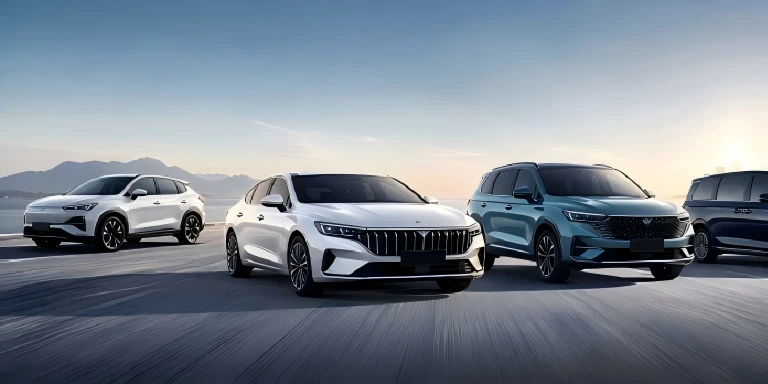
All-wheel drive systems can distribute driving power to all four wheels. Depending on the design, the system may operate continuously, automatically adjust power distribution, or activate additional traction when needed. AWD is common in SUVs, premium vehicles, performance cars, and dual-motor electric vehicles.
Key Advantages
• Distributes driving power across multiple wheels.
• Can improve acceleration traction on slippery surfaces.
• Useful for changing road and weather conditions.
• Available in many modern electric and hybrid vehicles.
• Can improve acceleration traction on slippery surfaces.
• Useful for changing road and weather conditions.
• Available in many modern electric and hybrid vehicles.
Potential Limitations
• Additional components can increase vehicle complexity.
• May add weight and energy consumption.
• Maintenance requirements can vary by system design.
• AWD does not automatically mean shorter braking distances.
• May add weight and energy consumption.
• Maintenance requirements can vary by system design.
• AWD does not automatically mean shorter braking distances.
Common Applications: SUVs, premium passenger vehicles, performance cars, and dual-motor electric vehicles.
DRIVETRAIN TYPE 04
Four-Wheel Drive (4WD)
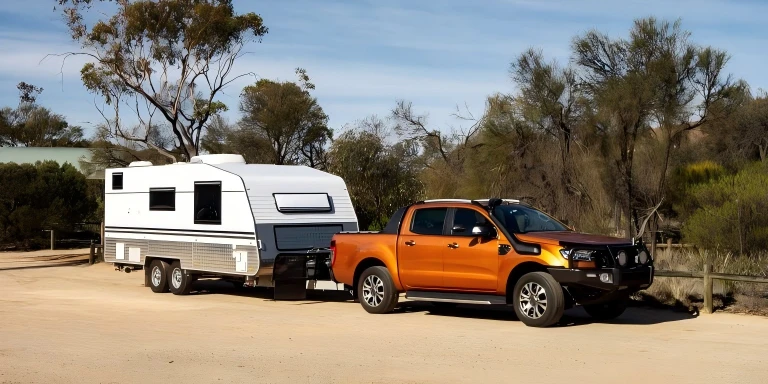
Four-wheel drive is commonly associated with off-road vehicles, heavy-duty pickups, and vehicles designed for challenging terrain. Traditional 4WD systems often use a transfer case to distribute power between the front and rear axles. Some systems provide selectable driving modes such as 2H, 4H, and 4L.
Key Advantages
• Designed for demanding off-road conditions.
• Low-range gearing can provide better control at low speeds.
• Suitable for rough roads, mud, sand, and steep terrain.
• Available in many off-road SUVs and pickups.
• Low-range gearing can provide better control at low speeds.
• Suitable for rough roads, mud, sand, and steep terrain.
• Available in many off-road SUVs and pickups.
Potential Limitations
• More complex mechanical systems in traditional designs.
• Can increase vehicle weight and fuel consumption.
• Requires drivers to understand the available drive modes.
• Some part-time 4WD systems should not be used in 4WD mode on dry, high-traction roads.
• Can increase vehicle weight and fuel consumption.
• Requires drivers to understand the available drive modes.
• Some part-time 4WD systems should not be used in 4WD mode on dry, high-traction roads.
Common Applications: Off-road SUVs, pickup trucks, mining vehicles, and vehicles used in demanding working environments.
02. FWD vs RWD vs AWD vs 4WD: Key Differences
The following table provides a quick comparison of the four main drivetrain systems.
| Comparison | FWD | RWD | AWD | 4WD |
|---|---|---|---|---|
| Driving Wheels | Front | Rear | All four | All four |
| Typical Use | Daily driving | Performance and utility | All-weather traction | Off-road driving |
| System Complexity | Generally lower | Moderate | Varies by design | Often higher |
| Traction | Suitable for normal roads | Depends on rear-wheel grip | Improved driving traction | Designed for challenging terrain |
| Common Vehicles | Sedans and hatchbacks | Luxury cars and pickups | SUVs and EVs | Off-road SUVs and pickups |
Note: Actual performance, efficiency, and operating characteristics depend on the vehicle model and drivetrain design.
AWD vs 4WD: Are They the Same?
Although AWD and 4WD both deliver power to all four wheels, they are not necessarily the same system. AWD is often designed to manage traction automatically during everyday driving, while traditional 4WD systems are commonly designed for more demanding off-road use and may offer selectable high-range and low-range modes.
AWD
Often suitable for changing road conditions, wet roads, and everyday driving where additional traction is useful.
4WD
Often selected for off-road conditions, rough terrain, and work environments that require specialized traction capabilities.
03. How to Choose the Right Drive Type for Different Markets
For overseas vehicle importers and distributors, selecting the right drivetrain is not only about vehicle performance. Local road conditions, climate, customer preferences, and vehicle applications should all be considered before placing an order.
Urban Markets
FWD sedans, hatchbacks, and urban SUVs can be practical choices for daily commuting and city transportation.
Cold and Snowy Regions
AWD vehicles may offer additional acceleration traction on snow-covered roads. Appropriate winter tires and safe driving remain essential.
Rural and Off-Road Areas
4WD pickups and off-road SUVs may be more suitable for rough roads, remote locations, and demanding working conditions.
Commercial Applications
RWD or 4WD configurations may be considered for pickups and selected commercial vehicles depending on payload, towing, and operating conditions.
What Should Importers Check Before Purchasing?
When sourcing vehicles from China, overseas buyers should verify the exact drivetrain configuration rather than relying only on the model name or marketing description.
✓ Confirm whether the vehicle is FWD, RWD, AWD, or 4WD.
✓ Check the exact model year, trim level, and configuration.
✓ Evaluate local road conditions, climate, and intended vehicle use.
✓ Compare fuel consumption or electric energy consumption.
✓ Confirm local import regulations, certification, and registration requirements.
✓ For electric vehicles, verify battery specifications and charging compatibility.
Conclusion: Choose the Drivetrain That Matches Your Market
FWD, RWD, AWD, and 4WD each serve different driving needs. FWD is commonly used for practical everyday transportation, RWD is often selected for performance and utility applications, AWD provides additional traction in changing conditions, and 4WD is designed for demanding terrain and specialized use.
For vehicle importers and distributors, understanding these differences helps make more informed purchasing decisions and select vehicle configurations that better match local customer demand.
Frequently Asked Questions
1. What is the difference between FWD and RWD?
FWD sends driving power to the front wheels, while RWD sends power to the rear wheels. FWD is common in everyday passenger cars, whereas RWD is widely used in luxury vehicles, sports cars, and pickups.
2. Is AWD better than FWD?
AWD can provide better acceleration traction on slippery surfaces because power can be delivered to all four wheels. However, FWD vehicles may offer lower weight, simpler construction, and better efficiency. The better choice depends on driving conditions and vehicle requirements.
3. Is 4WD suitable for everyday driving?
Some 4WD vehicles are designed for everyday use. However, certain part-time 4WD systems should not be operated in four-wheel-drive mode on dry, high-traction roads. Drivers should follow the manufacturer's instructions.
4. Which drivetrain is suitable for snowy roads?
AWD can improve acceleration traction on snowy roads, while suitable winter tires are essential for safe braking and cornering. The right configuration also depends on local winter conditions and vehicle design.
5. Are AWD and 4WD the same?
No. Both systems can deliver power to all four wheels, but their designs and intended applications may differ. AWD is often designed for automatic traction management, while traditional 4WD systems may offer selectable modes for off-road driving.
6. What drivetrain options are available in Chinese electric vehicles?
Chinese electric vehicles are available in different configurations, including front-wheel drive, rear-wheel drive, and dual-motor all-wheel drive. Availability depends on the specific model, year, and trim level.
Looking for the Right Vehicles for Your Market?
Auto Exporter supports overseas automotive distributors, import companies, and vehicle businesses with vehicle sourcing from China. Contact our team to discuss vehicle models, drivetrain configurations, and export requirements.
REQUEST A QUOTE