


Kenya closed its age loophole on 1 January 2026. From that date, only right-hand drive used vehicles with a year of first registration of 2019 or later may enter, enforced under clause 2.5 of KS 1515:2000 and Legal Notice No. 78. Vehicles first registered in 2018 that arrived after 31 December 2025 are treated as prohibited imports, with no grace period and the return freight at the importer's expense.
That change matters for anyone sourcing from China, because it cuts both ways. Chinese domestic cars are left-hand drive, so most of the market is closed to Kenya by definition. But a growing number of Chinese models are built in right-hand drive at the factory for Australia, South Africa and Thailand, and those are eligible - often at a price that competes with Japanese used stock of the same age.
This guide covers the three eligibility filters, the tax stack as it stands in 2026, the compliance changes that took effect this year, and the sequence from purchase to NTSA registration.
The Three Filters
| Filter | Rule | How it fails in practice |
|---|---|---|
| Steering | Right-hand drive only. Left-hand drive vehicles cannot be registered except for special purpose vehicles such as ambulances and fire engines | Buying a China-market model and planning a conversion. Conversion is not accepted for registration. |
| Age | Used vehicles must not exceed eight years from the year of manufacture or first registration; from 1 January 2026 that means first registration in 2019 or later | Using the model year rather than the first-registration date on the foreign logbook. A 2019 model registered in 2018 fails. |
| Roadworthiness | Pre-shipment inspection by a KEBS-appointed agent, with a Certificate of Roadworthiness or Certificate of Conformity | Shipping without the certificate. The vehicle is then subject to local inspection and a 5 per cent surcharge. |
The age rule is a rolling window, not a fixed date. Every January the oldest eligible year moves forward by one, so a vehicle that clears this year may be ineligible if the shipment slips into the next. Build the arrival date into the purchase decision, not just the production date.
Which Chinese Models Are Actually RHD
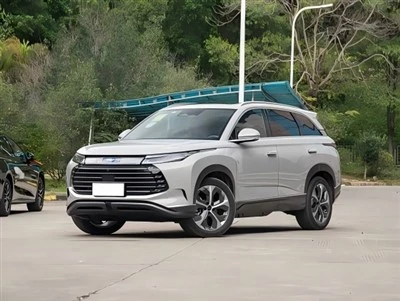
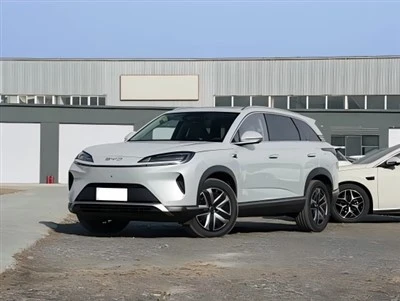
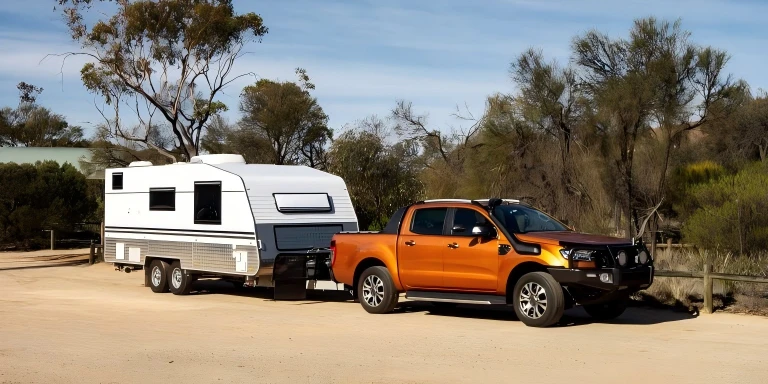
The right-hand drive list is shorter than the Chinese model list, and it changes quarter by quarter. The categories where factory RHD supply is established are compact and mid-size SUVs from BYD, Chery and Omoda/Jaecoo, GWM Haval and MG; pickups from GWM, Maxus and JAC; light and heavy trucks from JAC, Foton, Dongfeng and Sinotruk; and selected MPVs from the Maxus and LDV ranges. Hongqi began its right-hand drive programme in 2026, starting with the E-HS9 and EHS5, and NIO's Firefly was engineered in both configurations from the outset.
What is not available is equally important. Most China-only new-energy models - including those from Li Auto, AITO and Xiaomi - have no announced right-hand drive production at all, and several of the newest and cheapest Chinese electric vehicles are therefore not purchasable for Kenya at any price. Our assessment of right-hand drive supply sets out the detail by segment.
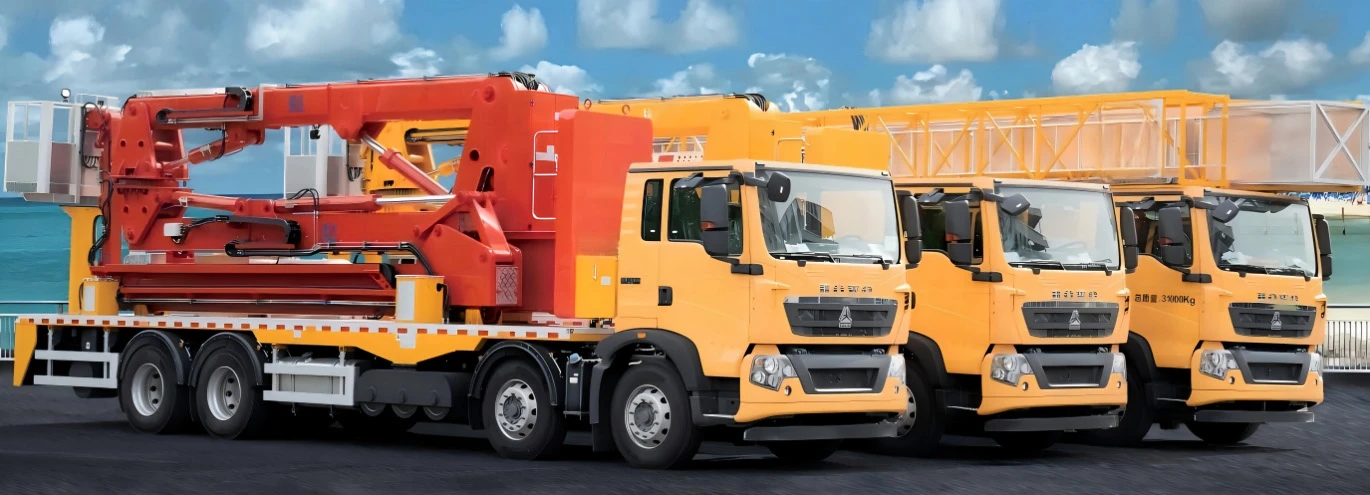
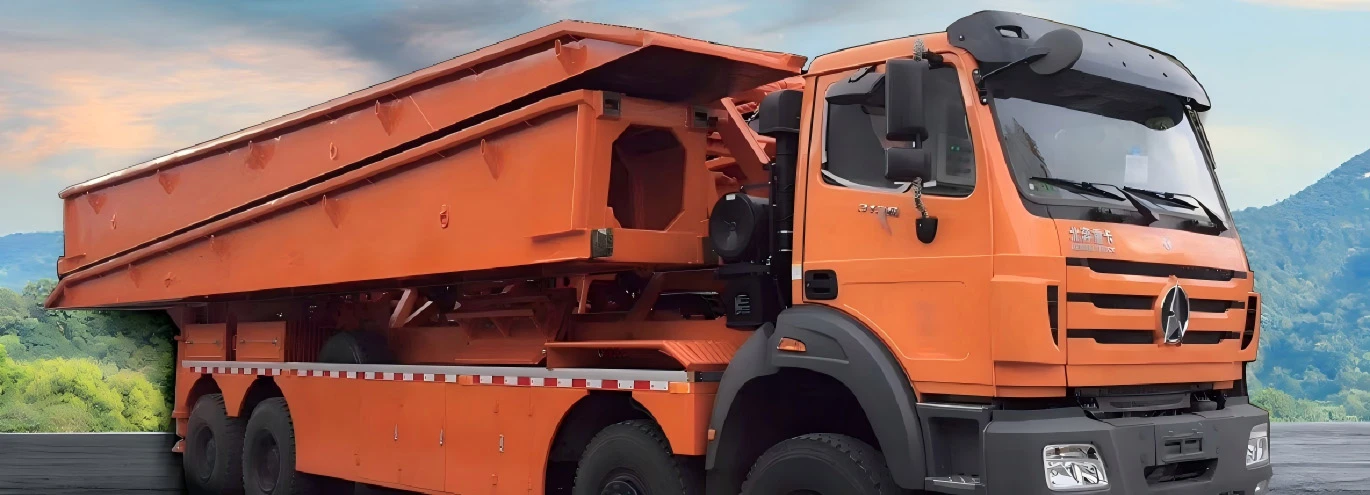
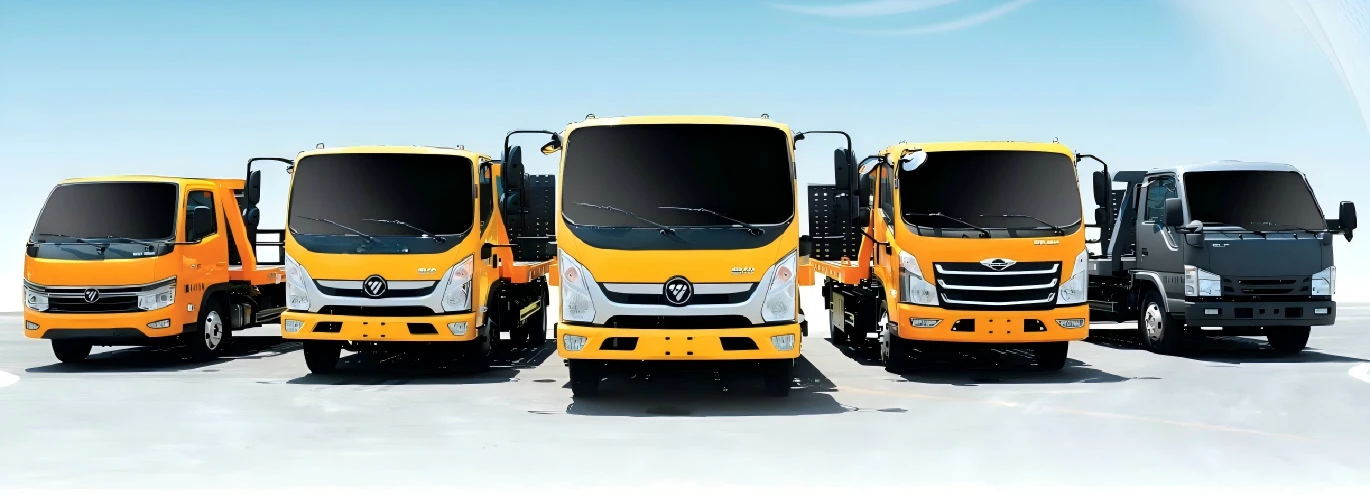
For trucks and buses, right-hand drive is usually a build option rather than a separate model, which makes the commercial vehicle side of the Kenyan market considerably easier to serve than the passenger car side.
The Tax Stack in 2026
| Charge | Basis | Rate |
|---|---|---|
| Import duty | CIF customs value | 35 per cent for passenger vehicles under current guidance; confirm the band applied to your HS code at entry |
| Excise duty | CIF plus import duty | 20 per cent up to 1,500cc petrol; 25 per cent for 1,501-3,000cc petrol and 1,501-2,500cc diesel; 35 per cent above those thresholds |
| VAT | CIF plus duty plus excise | 16 per cent |
| Import Declaration Fee | CIF | 3.5 per cent, subject to a minimum; some brokers quote a lower rate, so confirm on the day |
| Railway Development Levy | CIF | 2 per cent |
| KEBS local inspection | CIF | 5 per cent surcharge where no pre-shipment certificate is presented |
Run the arithmetic on a USD 12,000 CIF right-hand drive 1,800cc SUV. Duty at 35 per cent is 4,200, taking the base to 16,200. Excise at 25 per cent is 4,050, taking it to 20,250. VAT at 16 per cent is 3,240. IDF at 3.5 per cent is 420 and the Railway Development Levy is 240. The tax bill is 12,150 - slightly more than the CIF value of the vehicle itself.
That is consistent with what the market reports: a combined tax burden of 70 to 100 per cent of CIF for petrol and diesel cars in 2026, which is why the sticker price of a used import in Nairobi bears so little relation to the auction price in Yokohama, Dubai or Shanghai. Two structural points follow. The excise band is charged on the duty-inclusive value, so a larger engine is penalised twice. And valuation is not your invoice: KRA uses its Current Retail Selling Price database, depreciated by age, with a notional profit margin, so a cheap purchase does not produce a cheap assessment.
What Changed in 2026
Strict enforcement of the eight-year rule. KEBS notified importers on 13 November 2025 that from 1 January 2026 only right-hand drive vehicles first registered on or after 1 January 2019 would be admitted. The rule itself is old; the enforcement is new. Dealers had relied on the gap for years, and the closure moved every used-import calculation forward by a model year.
The export declaration regime. Under the Finance Act 2026, most provisions took effect on 1 July, and from 1 September 2026 a mandatory export declaration regime applies to importers. Importers must obtain and retain the export declaration from the country of export for every imported item; where it cannot be produced, KRA can reject the declaration, reassess the taxes and impose penalties. For a vehicle sourced in China, that means the Chinese export declaration - the same document that supports the used-car export licence - becomes a Kenyan customs document too.
The electric vehicle question. Kenya had zero-rated or exempted electric vehicles and lithium batteries from VAT, and that incentive was a cornerstone of the National Electric Mobility Policy launched in February 2026. The Finance Bill 2026 proposed applying the standard 16 per cent VAT to imported EVs and batteries, and the position has been contested since. Treat the EV rate as unsettled and confirm it with KRA or a clearing agent before quoting a landed cost; do not price a shipment on last year's exemption.
The Process in Six Steps
Step 1 - Verify eligibility from documents. Get the foreign logbook and the invoice, and read the first-registration date, not the model year. Confirm right-hand drive from the manufacturer's build sheet. If either fails, stop.
Step 2 - Book the pre-shipment inspection. Inspection is carried out in the country of export by a KEBS-appointed agent, and the certificate is valid for a limited period - commonly quoted at 60 to 90 days - so it must be timed against the sailing, not the purchase. QISJ is the agent named for vehicles from Japan, the UAE, the UK, Thailand, Singapore and South Africa. For China-origin vehicles, confirm with KEBS which agent is appointed for the origin, and budget the 5 per cent local inspection surcharge if no certificate can be obtained before loading.
Step 3 - File the Import Declaration Form. The IDF is lodged before the cargo arrives, using the invoice, the logbook and the inspection certificate. It feeds the customs entry.
Step 4 - Ship to Mombasa. Vehicles move by Ro-Ro or in a container, usually with transshipment through Singapore, Port Klang or Colombo on China-origin cargo. Transit is commonly 30 to 45 days.
Step 5 - Clear through iCMS. A licensed clearing agent is mandatory - KRA does not accept a declaration lodged directly by the importer. The agent lodges the entry on the Integrated Customs Management System, presents the documents, attends inspection and pays duty, excise, VAT, IDF and the Railway Development Levy. Clearance must be completed within 21 days of arrival, after which warehouse rent accrues under the East African Community Customs Management Act.
Step 6 - Register with NTSA. With the entry passed and duties paid, the National Transport and Safety Authority issues the Kenyan logbook and plates. The foreign logbook must be cancelled at origin and presented, and a foreign-language logbook needs a translation authenticated by the issuing embassy or consulate in Kenya.
Documents Checklist
- Original commercial invoice, showing VIN, engine number, first-registration date and CIF value
- Original foreign logbook, cancelled at origin
- Certified English translation of the logbook where it is not in English
- Original bill of lading
- Pre-shipment inspection certificate or Certificate of Roadworthiness from the KEBS-appointed agent
- Import Declaration Form
- Chinese export declaration, retained for the post-September 2026 regime
- Certificate of origin
- KRA PIN certificate or certificate of incorporation
- Dangerous-goods declaration for battery-electric vehicles
Five Mistakes That End the Shipment
- Buying a China-market LHD car. It cannot be registered, conversion is not recognised, and the vehicle has to be re-exported at your cost.
- Timing the age rule on the model year. The first-registration date on the logbook decides, and the window moves every January.
- Letting the inspection certificate expire before sailing. A certificate valid at inspection but expired at loading is not accepted.
- Pricing off the invoice. KRA values from its own CRSP database, so the assessment can exceed the price you paid.
- Missing the export declaration. Since 1 September 2026 that omission can trigger rejection, reassessment and penalties.
Frequently Asked Questions
Can I import a Chinese car into Kenya in 2026?
Only if it is factory right-hand drive and, for used vehicles, was first registered in 2019 or later. Most China-market models are left-hand drive and therefore ineligible.
How much tax will I pay?
Budget 70 to 100 per cent of the CIF value for a petrol or diesel passenger car. On a USD 12,000 CIF 1,800cc vehicle the stack comes to roughly USD 12,150 once duty, excise, VAT, IDF and the Railway Development Levy are added.
Is an eight-year-old car still allowed?
Only if it was first registered in 2019 or later. A 2018 first registration is now a prohibited import, and the eligible year advances every January.
Do I need a pre-shipment inspection?
Yes for used vehicles. Without a certificate from the KEBS-appointed agent you face local inspection and a 5 per cent surcharge, and clearance is delayed while it is arranged.
Are electric vehicles cheaper to import?
Not reliably in 2026. The VAT exemption that applied to EVs and lithium batteries was targeted by the Finance Bill 2026 and the position has been contested, so confirm the current treatment before pricing a shipment.
Can I clear the vehicle myself?
No. KRA requires a licensed clearing agent to lodge the declaration on iCMS. You can appoint the agent, but you cannot file the entry as an individual importer.
Sources
1. Kenya Revenue Authority - Motor Vehicle Importation knowledge base: eight-year age limit under KS 1515:2000, mandatory pre-shipment inspection, duty and levy structure, the 21-day clearance window and the mandatory use of a licensed agent - kra.go.ke
2. Obsidian Regulatory Intelligence, 30 June 2026 - KEBS notice of 13 November 2025 enforcing first registration from 1 January 2019, effective 1 January 2026 - obsidianri.com
3. AutoMag Kenya, 28 August 2026 - 2026 tax stack, excise bands by engine capacity and fuel type, combined burden of 70 to 100 per cent of value, the Finance Act 2026 export declaration regime from 1 September 2026 and the EV VAT proposal - automag.co.ke
4. Huduma Global, 20 February 2026 - duty calculation method, KEBS pre-shipment inspection agents and certificate validity, and the worked example of the tax stack - hudumaglobal.com
5. Kenya Tradex, updated 20 April 2026 - eligibility summary, QISJ pre-shipment inspection and the 5 per cent KEBS surcharge where no certificate is presented - kenyatradex.africa
6. Kenya Revenue Authority, motor vehicle duty guidance - CRSP-based valuation and the published worked example of duty, excise, VAT, IDF and Railway Development Levy - kra.go.ke
Kenyan duty bands, levy rates and EV incentives are set annually through the Finance Act and are applied at the discretion of the assessing officer, with valuation based on KRA's own database rather than the invoice. Figures here are indicative; confirm the current rates and the eligibility of the specific vehicle before committing to an order. Nothing in this article is legal or tax advice.