

Roughly a third of the world's countries drive on the left, and they account for a large share of the markets where Chinese vehicles are growing fastest: the UK, Australia, New Zealand, South Africa, Kenya, Tanzania, Thailand, Malaysia, Singapore, Hong Kong and much of the Caribbean. For years the answer to "can I buy this Chinese model in right-hand drive?" was a straightforward no. In 2026 it is a qualified yes, and the qualification is the whole point of this article.
Two things changed. Chinese manufacturers began engineering right-hand drive into global platforms at the design stage rather than as an afterthought, and Hong Kong emerged as the certification and demonstration market where right-hand drive products are validated before wider release.
What follows is an assessment of what is genuinely available, what a factory right-hand drive build involves, and why the conversion route that some exporters offer is not a substitute.
Why Right-Hand Drive Is a Different Business
A left-hand drive vehicle sold in China and a right-hand drive vehicle sold in Australia are not the same product with the steering wheel moved. The instrument panel is mirrored, the steering rack and column are repositioned, the brake and accelerator pedals move to the other side of the tunnel, the wiring harness is re-routed and lengthened, the wiper sweep is reversed, and the headlamp beam pattern changes from a right-hand-traffic cut-off to a left-hand-traffic one.
Beyond the mechanical work sit the homologation costs. Each right-hand drive market has its own approval route, and each requires evidence - crash performance, lighting, braking, emissions, electromagnetic compatibility - generated on the right-hand drive build. That is why manufacturers quote development costs in the tens of millions of renminbi per model rather than per unit: one Chinese industry estimate puts the platform conversion at RMB 50 million to 150 million, amortised to roughly RMB 1,000 to 5,000 per vehicle only if annual volume reaches 30,000 to 50,000 units.
The commercial consequence is straightforward. A manufacturer will only build right-hand drive for a model where it expects enough volume to recover that investment, which means the list of available right-hand drive Chinese models is shorter than the list of Chinese models, and it does not always include the one your customers ask for.
What Changes on a Factory Right-Hand Drive Build
- Steering rack, column, intermediate shaft and pump or electric assistance relocated and re-engineered
- Instrument panel, centre console and HVAC ducting mirrored
- Pedal box, brake booster and master cylinder relocated; brake lines re-routed
- Wiring harness redesigned, not extended - harness length and connector positions change
- Headlamps with left-hand-traffic beam pattern, and a different lighting switch logic where required
- Wiper linkage and park position reversed
- Mirror geometry and blind-spot camera calibration adjusted
- Seat belt anchorages and airbag calibration re-validated for the mirrored cabin
None of that is visible in a photograph, which is why a right-hand drive claim has to be verified from the manufacturer's build sheet and the VIN, not from a listing image.
What Is Available Today
| Segment | Chinese right-hand drive supply | Practical note |
|---|---|---|
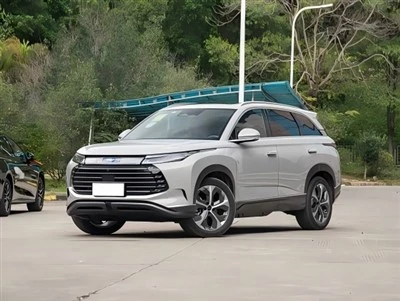
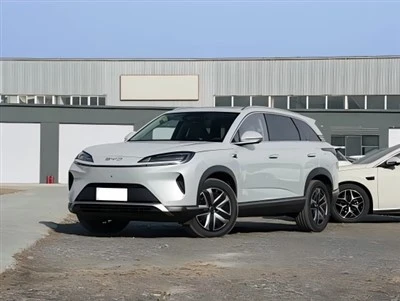
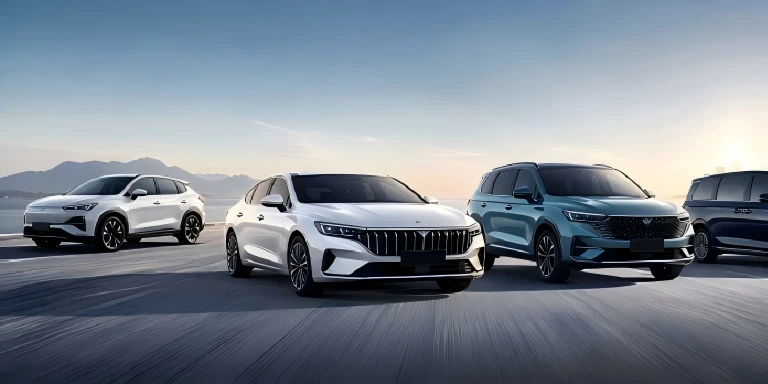
| Compact and mid-size SUV | Widely available - BYD, Chery and Omoda/Jaecoo, GWM Haval, MG, Geely | The deepest part of the market; most models sold in Australia, South Africa, Thailand and the UK are factory RHD |
| Small electric hatchback | NIO Firefly, BYD Dolphin and Atto 3 class, MG4 | Firefly RHD entered Singapore in 2026 with Thailand, Australia, New Zealand and the UK to follow |
| Large and luxury SUV | Hongqi E-HS9 and EHS5, plus established Haval and Chery flagships | Hongqi launched the E-HS9 RHD in Hong Kong in June 2026 and plans at least six RHD models in three years |
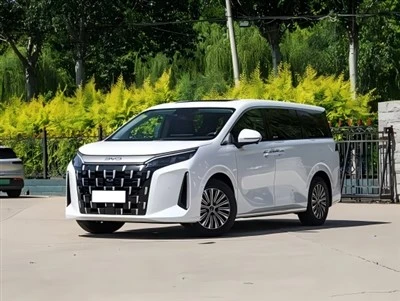
| MPV | Maxus and LDV ranges, GWM and selected BYD models | Model-by-model; several China-market MPVs have no RHD programme at all |
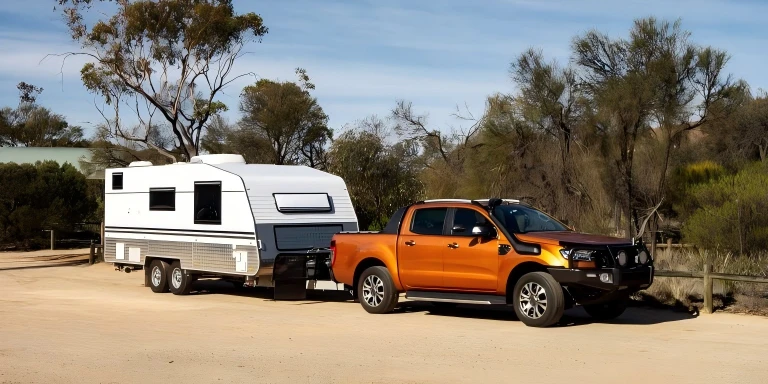
| Pickup | GWM Cannon, Maxus T-series, JAC and Foton ranges | Strong in Australia, South Africa, Thailand and Kenya |
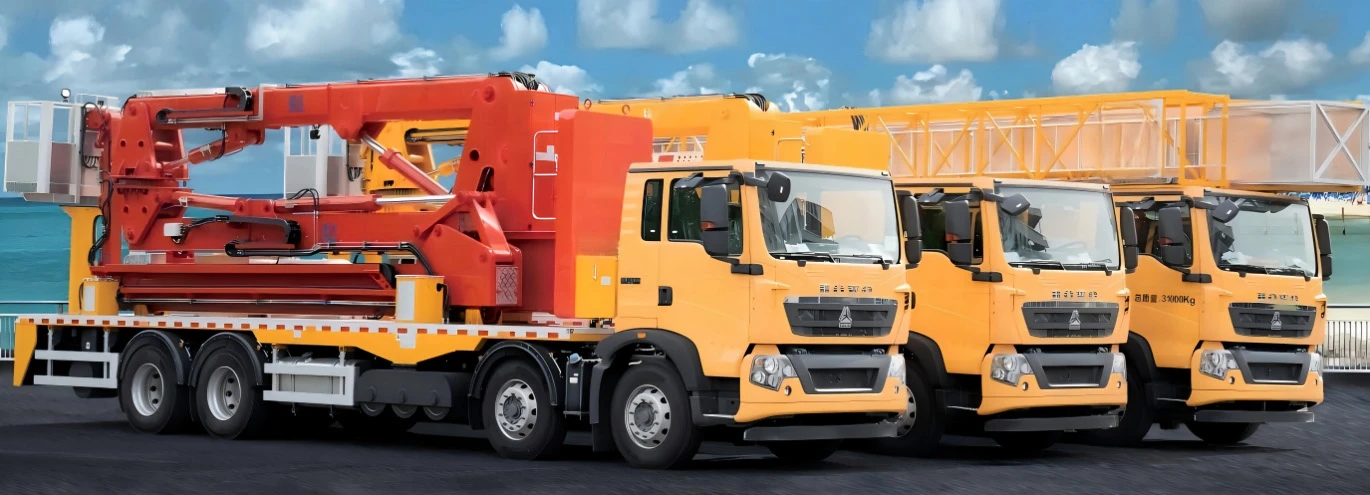
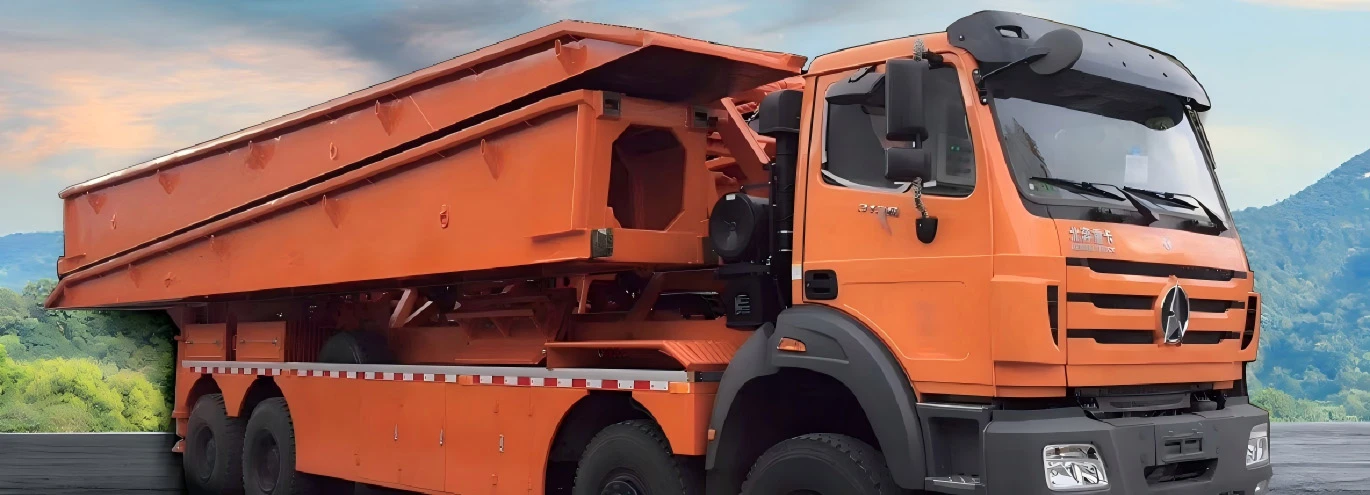
| Light and heavy truck | JAC, Foton, Dongfeng, Sinotruk, Shacman | RHD variants are common for African and Southeast Asian fleets, usually specified per order |
| Battery-electric sedan | BYD Seal and MG4 class, ZEEKR for Hong Kong | ZEEKR developed its 9X specifically for right-hand drive markets |
All of the above are factory builds. The list is indicative rather than exhaustive, and it changes quarter by quarter; the specific model and trim has to be confirmed against the current production list before an order is placed.
The 2026 Hong Kong Moment
The Hong Kong International Auto Expo in June 2026 was the point at which several Chinese brands stopped treating right-hand drive as an export afterthought. Hongqi used the show to declare 2026 its "right-hand drive year one", displaying three RHD models - the E-HS9, the EHS5 and a new Global SUV - and launching the E-HS9 RHD in Hong Kong, with a brand experience centre opening on 1 July and a commitment to at least six RHD new-energy models within three years.
NIO showed the right-hand drive Firefly, its first natively global small EV, engineered with both steering configurations from the start; the RHD version was already in production and the first units were shipped to Singapore, with Thailand, Australia, New Zealand and the UK to follow. ZEEKR, GAC and Dongfeng all presented RHD plans, with Dongfeng positioning Hong Kong as a hub for Southeast Asia, Oceania and the Middle East and outlining ten overseas production bases within five years.
Hong Kong matters out of proportion to its size - annual sales are in the region of 40,000 to 50,000 vehicles - because it uses right-hand drive rules and a demanding certification regime while levying no import tariff on vehicles. A model that passes there has been validated for right-hand drive markets at relatively low commercial risk, and the city functions as a shop window for buyers from Southeast Asia and Oceania.
What Is Still Not Available
A large part of the Chinese new-energy lineup remains left-hand drive only. Brands built around the domestic market - Li Auto, AITO, Xiaomi among them - have not announced right-hand drive production, and most of the China-only electric sedan and SUV models have no RHD programme. Several of the newest and most competitive vehicles in China are therefore simply not purchasable for Nairobi, Sydney or London, whatever the price advantage looks like on paper.
There is also a quieter constraint: even where a model exists in right-hand drive, the trim sold in right-hand drive markets may be a narrower range than the Chinese domestic lineup. Export trims are homologated configurations; adding a domestic-only option pack can invalidate the approval.
Why Conversions Are Not a Substitute
Conversion workshops exist, and they can produce a drivable right-hand drive vehicle. They cannot produce a homologated one. In most right-hand drive markets the approval is granted to the manufacturer for a type, and a converted vehicle either fails to qualify or has to enter through an individual-approval route that examines the modified structure directly.
The practical problems are structural and electrical. Moving the steering and pedals changes load paths and the pedalbox mounting; the wiring harness has to be cut and extended, which introduces failure points in exactly the circuits that control airbags and driver assistance; and the headlamp beam pattern remains wrong unless the lamps are replaced. Insurance, resale value and warranty all suffer, and in some markets a converted vehicle cannot be registered at all.
For a fleet, the arithmetic is worse: a conversion adds cost and risk to every unit and creates a maintenance problem for the life of the vehicle. If the model you want has no factory RHD build, the correct answer is a different model.
Approval Routes by Market
| Market | Route | What it means for a Chinese RHD vehicle |
|---|---|---|
| United Kingdom | GB type approval, or Individual Vehicle Approval for low volume | EU approvals are not accepted post-Brexit; the manufacturer needs a UK approval or the importer needs IVA |
| Australia | Road Vehicle Standards Act, entry on the Register of Approved Vehicles | Import approval must be granted before shipping; unapproved vehicles are held by the border force |
| New Zealand | NZTA entry certification | Frontal impact and emissions standards apply to used imports; documentation is checked at entry |
| South Africa | NRCS letter of authority | Required for new vehicles; used imports are tightly restricted |
| Gulf states | GSO vehicle certificate, plus national requirements | The Gulf is left-hand drive, so RHD supply is irrelevant there but LHD homologation is not |
| Kenya, Tanzania, Uganda | National standards and KEBS or TBS inspection | Used vehicles dominate; age and roadworthiness rules decide eligibility more than RHD itself |
How to Buy Right-Hand Drive From China
Start with the market approval, not the model. Identify which type approvals your destination accepts, then work backwards to the models that hold one. A model with an Australian approval is a strong candidate for New Zealand; a Hong Kong approval is useful evidence but is not a substitute for a UK or Australian one.
Then confirm the build. Ask for the manufacturer's specification sheet showing steering position, the VIN, and the homologation reference for the exact trim. A photograph of a right-hand drive interior proves only that a right-hand drive vehicle exists, not that the unit being sold is one.
Finally, plan the volume. Factory RHD orders are usually subject to minimum quantities per model and per configuration, and lead times run longer than for domestic LHD stock because the build is slotted into the export programme. For a single vehicle, the practical route is existing RHD stock already in the market rather than a factory order.
Our SUV, MPV and pickup ranges list what is currently available; tell us the destination and the approval it requires and we will confirm which models can be supplied in right-hand drive.
Frequently Asked Questions
Can I buy any Chinese car in right-hand drive?
No. Only models with a factory RHD programme. Most China-only new-energy models, including those from Li Auto, AITO and Xiaomi, remain left-hand drive with no announced RHD production.
Can a left-hand drive car be converted?
It can be converted, but a converted vehicle is normally not type-approved and may not be registrable. Conversion also compromises airbag and driver-assistance circuits, headlamp beam pattern and resale value. It is not a substitute for a factory build.
Which markets are best served?
Australia, New Zealand, the UK, South Africa, Thailand and Hong Kong have the deepest supply of Chinese factory RHD models. Kenya, Tanzania and the Caribbean are served mainly by pickups, light trucks and selected SUVs.
How long does a factory RHD order take?
Longer than domestic stock, because the build is scheduled into the export programme rather than taken from dealer inventory. Minimum order quantities apply per model and configuration.
Is a Hong Kong approval valid in Australia or the UK?
No. Hong Kong approval is evidence that a right-hand drive build exists and has passed a strict regime, but each market grants its own approval. Australia requires RAV entry under the Road Vehicle Standards Act; the UK requires a GB approval or Individual Vehicle Approval.
Do right-hand drive Chinese cars have the same equipment as LHD versions?
Usually not exactly. Export trims are homologated configurations, and the equipment list can be narrower than the Chinese domestic range. Check the specification sheet for the specific RHD trim.
Sources
1. Phoenix Auto (ifeng), 19 June 2026 - Hongqi's "right-hand drive year one" at the Hong Kong Auto Expo, including the E-HS9 RHD launch and the six-model plan - auto.ifeng.com
2. Sohu Auto, 4 October 2026 - Hongqi RHD model line-up and NIO Firefly RHD shipments to Singapore, with Thailand, Australia, New Zealand and the UK to follow - sohu.com
3. Wangtongshe via Phoenix Auto, 22 June 2026 - ZEEKR, Dongfeng and Hongqi RHD strategies presented in Hong Kong - auto.news18a.com
4. Wangtongshe, 1 July 2026 - right-hand drive development cost of RMB 50-150 million per model and the Hong Kong market's role as a validation hub - m.news18a.com
5. Australian Government Department of Infrastructure, Transport, Regional Development, Communications and the Arts - importing a road vehicle under the Road Vehicle Standards Act 2018 - infrastructure.gov.au
Right-hand drive availability, homologation status and model line-ups change frequently. Confirm the steering configuration and the approval reference for the specific unit before paying a deposit. This article is a market assessment, not a statement of availability for any particular model.